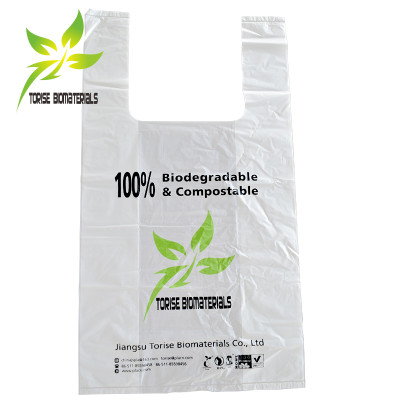
For B2B purchasers, material engineers, and sustainability leaders: The terms “biodegradable” and “compostable” are often used interchangeably, yet they define fundamentally different end-of-life behaviors. Selecting the wrong polymer system can disrupt waste streams, create greenwashing risks, and fail to meet evolving regulations (EU PPWR, US FTC Green Guides). This guide outlines scientific distinctions, certification frameworks, and actionable selection criteria to align packaging with your environmental goals.
More than 380 million metric tons of plastic are produced annually, with packaging accounting for nearly 40%. As extended producer responsibility (EPR) schemes expand, brands face pressure to adopt materials that genuinely return to nature without persistent microplastics or toxicity. Both compostable and biodegradable packaging offer alternatives to conventional plastics, but their performance varies drastically depending on disposal infrastructure, timeframes, and environmental conditions.
🔍 Core differences at a glance
Biodegradable
Breaks down via microorganisms into water, CO₂, and biomass — but no fixed timeline, and may leave behind toxic residues or microplastics. Not necessarily soil-safe.
Standards: ASTM D5511, ISO 15985 (anaerobic/industrial conditions). No universal requirement for ecotoxicity.
Compostable
A subset of biodegradable materials that disintegrate within a specified period (usually 12 weeks) under controlled composting conditions, leaving no toxic residues and supporting plant growth.
Standards: ASTM D6400 (US), EN 13432 (EU), requiring 90% biodegradation in 180 days, plus disintegration & ecotoxicity tests.
1. Definitions & regulatory backdrop
Biodegradable packaging refers to any material that can be decomposed by microorganisms (bacteria, fungi) into natural elements. However, without time constraints or environmental specificity, a plastic bag labelled “biodegradable” might persist for decades in a marine environment or fragment into invisible microplastics. Many oxo-degradable plastics, now banned in the EU, fall into misleading claims. In contrast, compostable packaging meets strict industrial or home composting criteria: full mineralisation, disintegration, and absence of heavy metals or ecotoxicity. Only certified compostable items can legally carry the “seedling” logo (EN 13432) or BPI certification.
From 2025, the EU Packaging and Packaging Waste Regulation (PPWR) mandates that any packaging claiming “compostable” must be certified for industrial composting, with specific allowances for tea bags, coffee pods, and fruit stickers. Biodegradable claims without evidence of marine or soil safety are increasingly restricted. For US markets, the FTC Green Guides warn against unqualified “biodegradable” claims unless the item degrades completely within a reasonably short time (less than one year) after customary disposal — a threshold few conventional bioplastics meet.
2. Material chemistry & end-of-life pathways
Biodegradable polymers (broad spectrum)
Common types include PBAT (polybutylene adipate terephthalate), PBS (polybutylene succinate), certain PLA blends, and starch-based hybrids. Their degradation relies on specific environments: industrial composting (58°C + humidity), anaerobic digestion, or soil burial. Without appropriate conditions, they may behave like conventional plastic. For instance, PBAT requires high humidity and thermophilic bacteria to break down; in cold marine settings, fragmentation remains questionable.
Certified compostable materials (industrial & home)
PLA (polylactic acid) modified with copolyesters, cellulose-based films, and PHA (polyhydroxyalkanoates) represent the premium tier. PHA shows marine biodegradability and does not require high temperatures, making it a promising alternative for home compostable systems. Meanwhile, PLA/PBAT blends often achieve industrial compostability but may not degrade in backyard compost piles due to lower temperature. Home compostable certifications (e.g., OK compost HOME) require disintegration at ambient temperatures, offering more flexibility for closed-loop systems.
3. Technical selection matrix
| Parameter | Biodegradable (non-compostable) | Compostable (certified) |
|---|---|---|
| Degradation timeline | Varies: months to decades; no fixed upper limit. | 90% biodegradation in ≤180 days (industrial) & disintegration within 12 weeks. |
| Residue & toxicity | Potential heavy metals, microplastic residues, or eco-toxicity depending on formulation. | Passes stringent ecotoxicity (OECD 208) — no harmful effect on plants/soil organisms. |
| Required environment | Often industrial compost, anaerobic digestion, or specific soil conditions; may persist in landfills. | Industrial compost facility (certified) or home compost (special certification). |
| Certifications | ASTM D5511, ISO 15985 (limited recognition for claims). | ASTM D6400, EN 13432, AS 4736, BPI, TÜV OK Compost. |
| Recyclability | Can disrupt conventional recycling streams if incorrectly sorted. | Not recyclable with PET/PE; must be directed to organics collection. |
4. Performance & application guide
When to select certified compostable packaging: For food contact applications with high organic residue (coffee capsules, fresh produce bags, takeaway containers) where municipalities offer industrial composting infrastructure. Closed-loop events, campuses, and corporate cafeterias benefit from clear waste diversion. Compostable materials also align with zero-waste certification (e.g., TRUE) and help reduce contamination in organic waste streams.
When biodegradable (non-compostable) may be viable: For agricultural mulch films designed to biodegrade in soil after use, or specific industrial applications where recovery is impossible and biodegradation occurs under controlled conditions (e.g., anaerobic digesters). However, for general retail packaging, non-compostable biodegradable labels often create confusion and are discouraged by sustainability frameworks due to lack of infrastructure.
It’s critical to evaluate local waste management: cities like San Francisco and Seattle mandate compostable packaging only if certified to BPI; the EU requires clear labeling for separate bio-waste bins. Brands should also consider shelf life — high humidity may trigger premature degradation in some bioplastics, whereas conventional plastics offer longer stability.
5. Environmental impact & cost factors
Lifecycle assessments (LCAs) reveal that compostable packaging often has higher carbon footprint in production (especially PLA from corn) compared to recycled PET, yet offers end-of-life value if processed via composting that generates soil conditioner. Biodegradable additives (e.g., oxo-degradable) are now widely banned because they fragment into microplastics without true mineralization. Cost-wise, certified compostable films typically cost 20–40% more than conventional PE, while biodegradable (non-certified) may be cheaper but pose legal risks. PHA offers marine biodegradability with a premium of 2-3x conventional plastic, yet for luxury or eco-conscious brands it provides differentiation.
6. Key selection checklist for B2B buyers
- Verify certification: Look for third-party labels: BPI (North America), TÜV Austria OK compost INDUSTRIAL/HOME, DIN CERTCO, or the Seedling logo. Avoid vague claims like “biodegradable” without standards.
- Map downstream infrastructure: Does your region have industrial compost facilities that accept certified packaging? If not, switching to compostables may not improve environmental outcomes; consider reuse or mechanically recycled alternatives.
- Evaluate chemical safety: Ensure PFAS-free, no intentionally added microplastics; compostable packaging should pass PFAS restrictions (e.g., EU SUPD, US state bans).
- Conduct migration testing: For food contact materials, verify compliance with FDA/EU food contact regulations for the intended use (high temperature, microwave, etc.).
- Communicate clearly: Use on-pack instructions: “INDUSTRIALLY COMPOSTABLE — check local facilities”. Avoid misleading green claims to reduce contamination and lawsuits.
Ultimately, a comprehensive sustainable packaging strategy prioritizes reduction and reuse first, then uses certified compostable materials for residual applications where recovery of organics is feasible. Biodegradable materials without compostability certification are increasingly viewed as high-risk from both regulatory and environmental justice perspectives.
Innovations in polymer chemistry, like PHA blends and paper-based compostable laminations, continue to blur traditional boundaries — but the core principle remains: choose packaging that matches available end-of-life systems, carries credible certifications, and meets performance demands without sacrificing recyclability of other materials.