
Company Certifications





| Material Category | Description | Typical Materials |
|---|---|---|
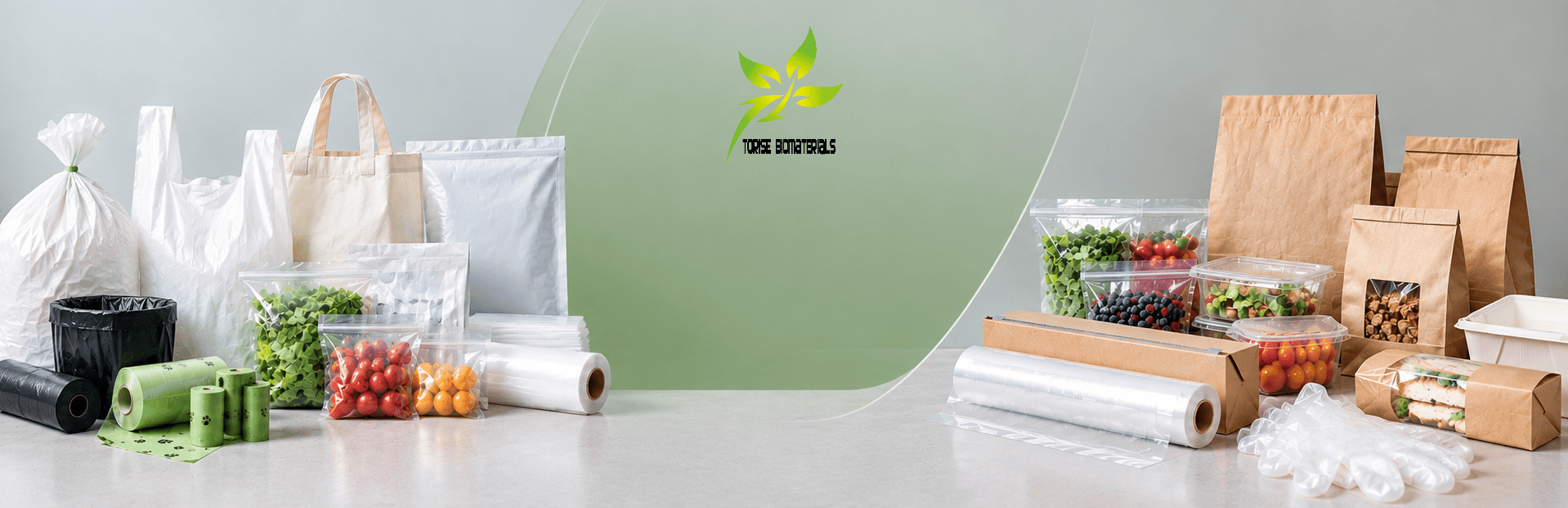
| Conventional Plastic | Fossil-based plastics with established processing technologies and versatile performance characteristics. | PE, PP, PET, PA, EVOH |
| PCR Materials | Plastic resin made from post-consumer plastic waste, helping reduce demand for virgin plastic when used as a substitute. | rPE, rPP, rPET |
| Bio-Based Materials | Materials made partly or wholly from renewable biological resources, depending on the material and its bio-based content. | Bio-PE, Bio-PET, PLA, cellulose-based materials |
| Compostable Materials | Materials formulated to meet defined compostability requirements under specified conditions, subject to the complete product meeting the relevant criteria. | PBAT, PLA, starch-based blends |
Compare the four material categories across key technical, environmental, and procurement criteria to identify the most suitable options for your packaging application.
| Comparison Criteria | Conventional Plastic | PCR Plastic | Bio-Based Materials | Compostable Materials |
|---|---|---|---|---|
| Typical Materials | PE, PP, PET, PA, EVOH | rPE, rPP, rPET | Bio-PE, Bio-PET, PLA, cellulose-based materials | PBAT, PLA, starch-based blends |
| Primary Feedstock / Origin | Primarily fossil fuels, including crude oil and natural gas. | Post-consumer plastic waste collected and reprocessed into recycled resin. | Renewable biomass, such as corn, sugarcane, cellulose, and other plant-derived feedstocks. | Plant-based polymers, starch blends, and/or biodegradable fossil-derived polymers, depending on formulation. |
| Key Features | Mature processing technologies, versatile mechanical and barrier properties, established supply chains, and generally cost-effective performance. | Reduces reliance on virgin plastic and supports resource recovery. Material properties, color, odor, and consistency may vary depending on feedstock and processing. | Focuses on renewable feedstock origin. Biodegradability depends on polymer chemistry, not simply on whether the material is bio-based. | Designed to biodegrade and disintegrate under specified composting conditions when the complete product meets applicable requirements. |
| Environmental Performance | Relies primarily on non-renewable resources. Environmental impacts arise from raw material extraction, production, and end-of-life management. Material reduction, reuse, and effective recycling can help reduce its overall environmental footprint. | Helps reduce demand for virgin plastics and diverts post-consumer plastic waste into new applications. Overall benefits depend on collection systems, recycling processes, energy use, and material quality. | Can reduce reliance on fossil resources by incorporating renewable feedstocks. Overall environmental benefits depend on feedstock sourcing, land use, agricultural practices, manufacturing processes, and end-of-life management. | Can support organic waste management where appropriate composting systems exist and accept the products. Environmental benefits depend on product formulation, certification, actual composting conditions, and local infrastructure. |
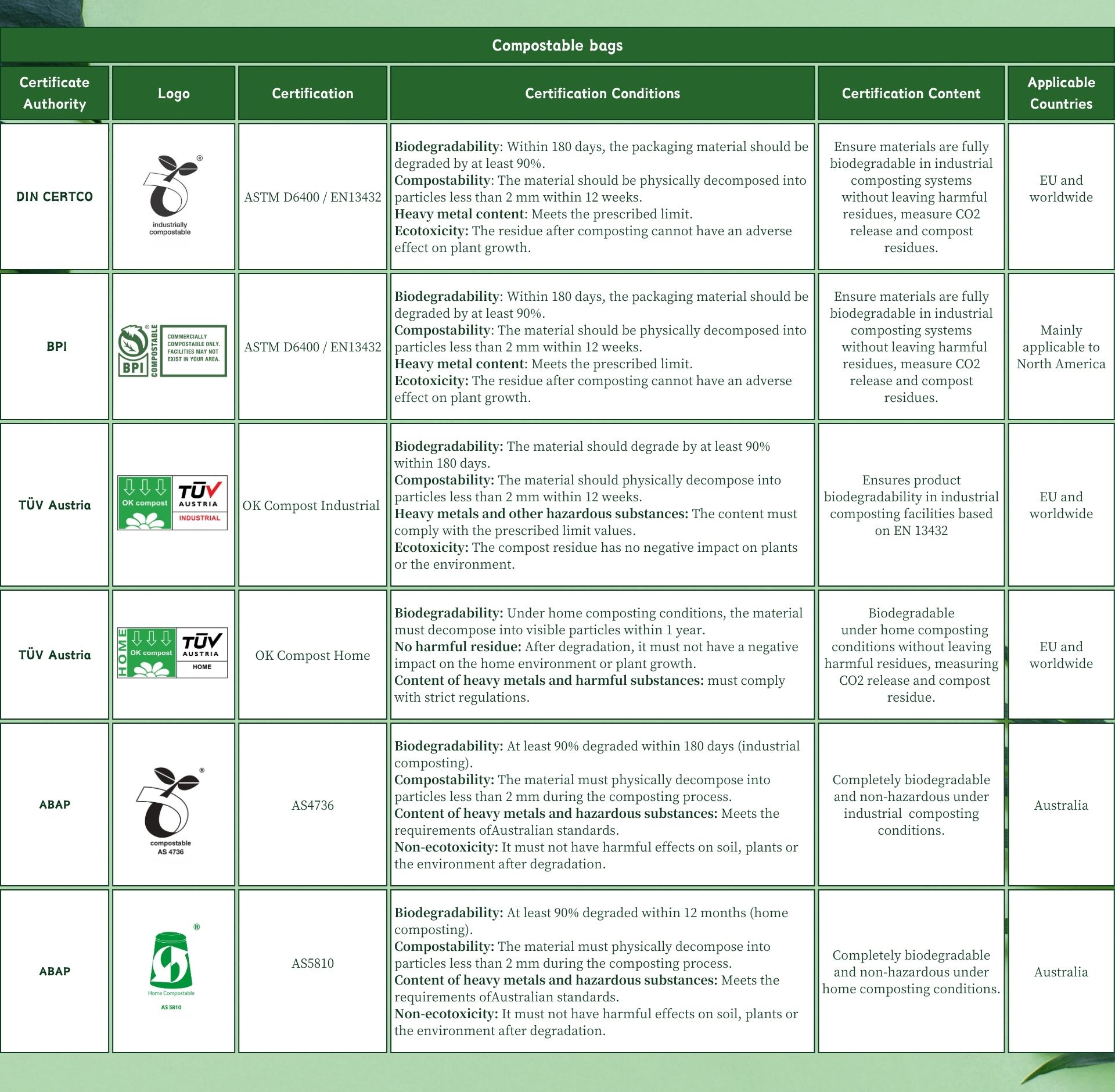
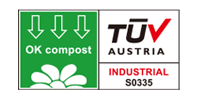
| Relevant Certifications / Verification | Applicable regulatory compliance and product performance testing; food-contact compliance where required. | GRS, recycled-content verification, and chain-of-custody documentation; food-contact compliance where required. | Bio-based content testing or certification, plus applicable regulatory compliance and performance testing. | EN 13432, ASTM D6400 / BPI certification, OK compost INDUSTRIAL, or OK compost HOME, depending on the product and target market. |
| Typical End-of-Life Pathway | Mechanical recycling where suitable infrastructure exists; otherwise, disposal routes depend on local regulations and waste management systems. | Recycling through compatible polymer-specific systems where accepted. Actual recyclability depends on material composition, product design, and local infrastructure. | Depends on polymer type: compatible plastic recycling streams for materials such as Bio-PE and Bio-PET, or specific biodegradation or composting pathways where applicable. | Industrial or home composting only when the product is suitable for the relevant environment and accepted by the corresponding composting facilities. |
| Market Price | Generally low to moderate, depending on polymer grade, specifications, market conditions, and order volume. | May be comparable to or more expensive than virgin resin, depending on polymer type, quality, recycled content, and supply availability. | Often carries a price premium over comparable conventional plastics, depending on polymer type, bio-based content, and availability. | Often carries a price premium over conventional plastics, depending on formulation, resin prices, certification requirements, processing, and order volume. |
| Key Procurement Considerations | Unit cost, mechanical strength, barrier properties, processing compatibility, supply stability, and applicable regulatory requirements. | Verified recycled content, GRS certification scope, material consistency, color and odor, mechanical performance, traceability, and food-contact suitability. | Verified bio-based content, polymer type, performance requirements, cost premium, supply availability, and compatibility with intended end-of-life pathways. | Certification scope, industrial vs. home compostability, product performance, shelf life, food-contact compliance, local composting infrastructure, and total landed cost. |

Bio-based materials are made partly or wholly from renewable biological resources. Biodegradable materials can be broken down by microorganisms under suitable environmental conditions.
These are two distinct properties:bio-based materials are not necessarily biodegradable, and biodegradable materials are not necessarily bio-based.
For example, Bio-PE and Bio-PET can be made from renewable feedstocks while remaining chemically equivalent to their conventional counterparts and compatible with the same recycling streams, where accepted. PLA can be bio-based and biodegradable under specified conditions, but it is not automatically suitable for home composting.

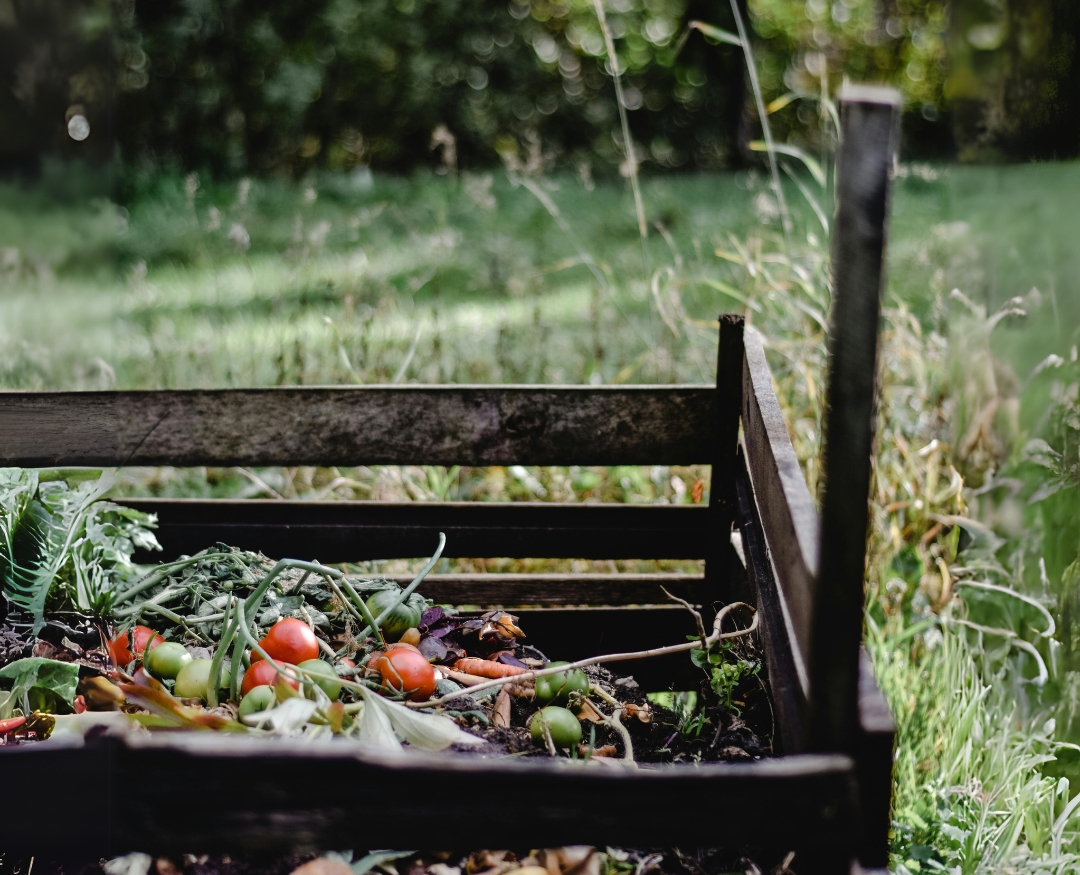
Not All Biodegradable Products Are Compostable.
Compostability depends on the applicable standard, testing conditions, and product requirements. Industrial compostability and home compostability are different. A product certified for industrial composting should not automatically be considered suitable for home composting.
For a more detailed explanation, see our guide:What Is the Difference Between Biodegradable and Compostable Bags?
What Buyers Should Verify
1. Certification Scope
Check whether certification covers the raw material, the finished product, or the specific product structure, including inks, additives, and other components where applicable.
2. Composting Conditions
Verify whether the product is certified or otherwise demonstrated to meet the requirements for industrial composting, home composting, or both.
3. Local Acceptance
Confirm whether composting facilities in the target market accept the product and whether local collection or disposal requirements apply.
Virgin plastic is made from newly produced polymer resin, while post-consumer recycled (PCR) plastic is made from plastic waste collected after consumer use and reprocessed into recycled resin.
PCR plastic can reduce demand for virgin resin, but its color, odor, consistency, mechanical properties, and processing behavior may vary. Food-contact suitability must be assessed separately according to applicable regulations.
Learn More:
Conventional Plastic vs. PCR Plastic: Key Differences
What Buyers Should Verify

Here are some ways to tell if your compostable bags are genuine:
Smell: Genuine biodegradable and compostable bags are usually odorless or have a light grain smell.
Feel: These bags are usually silky smooth, but if PBAT is added, they may feel slightly harder.
Color: Due to the characteristics of bio-based materials, it is difficult to make these bags completely transparent, so they usually look translucent or milky.
Have questions about how to identify truly compostable bags? Contact us and our team of experts will help you choose truly sustainable products.


Join us and contribute to a sustainable future for our planet by using Torise's compostable bags.

+86 18151919890
+86 0511-85598456