The Complete B2B Guide to Custom Compostable Dog Poop Bags & Cat Litter Bags
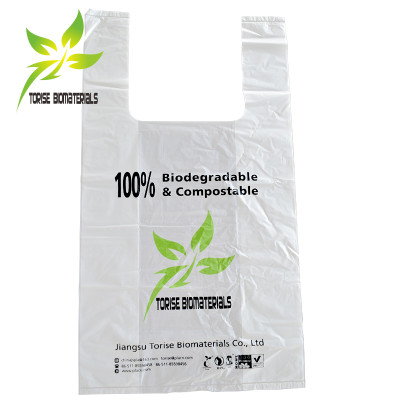
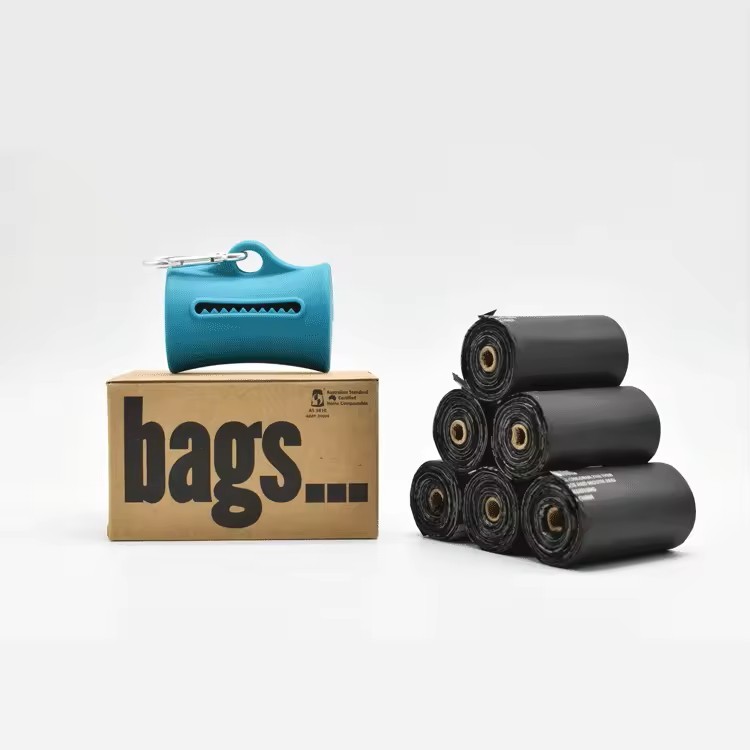
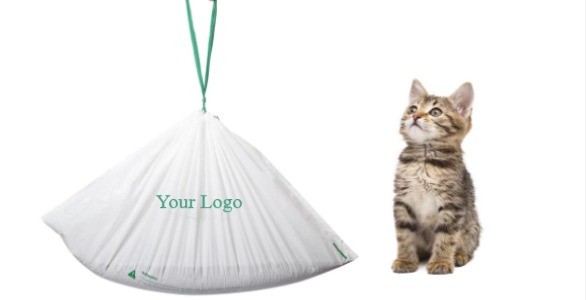
The global pet care industry continues to expand rapidly, while environmental regulations are becoming increasingly strict across Europe, North America, and Australia. For pet brands, retailers, supermarkets, and distributors, switching from conventional plastic pet waste bags to certified compostable alternatives is no longer simply a sustainability initiative—it has become a competitive necessity. However, many buyers discover that sourcing compostable pet waste bags is far more complicated than ordering ordinary plastic bags. Questions often arise: If these questions sound familiar, you're not alone. After working with hundreds of pet brands across Europe, Australia, North America, and other international markets, we've found that buyers who understand the complete customization process avoid costly redesigns, production delays, and compliance issues. This guide explains the entire custom manufacturing process—from product concept to finished retail packaging—so you can launch your compostable pet waste bags with confidence. Many buyers assume a poop bag is simply "a bag." In reality, every market has different expectations—both in terms of certifications and product performance. One of the biggest mistakes buyers make is requesting pricing before defining the product. Instead, answer these questions first. Who will use the product? Each customer group has different requirements. For example: Typical options include: Material selection determines both product performance and certification eligibility. Most premium compostable pet waste bags use blends of: These materials provide the balance of flexibility, tear resistance, seal strength, and certified compostability required for international markets. Do you need: The formulation should be selected according to your target market and certification requirements—not just price. This is where customization becomes highly practical. Typical dog poop bag sizes: Cat litter bags are usually much larger depending on litter tray dimensions. Custom sizes are available for private-label programs. Common range: Higher thickness generally provides: However, increasing thickness also increases material costs. An experienced manufacturer can recommend the optimal balance instead of simply producing the thickest bag. Popular options include: Each style offers different user convenience, production efficiency, and retail positioning. For most private-label projects, branding creates the greatest market differentiation. Typical customization options include: Most manufacturers support: High-quality artwork ensures logos remain sharp even on thin compostable film. Common print elements include: Premium brands often include additional features to improve the user experience. Examples include: Improves dispensing performance. Reduce paper waste while lowering shipping weight. Especially important for cat litter disposal bags. Improve customer convenience. Packaging often influences purchasing decisions more than the bag itself. Common retail options include: A well-designed package communicates sustainability, certifications, and brand identity at first glance. Never skip sample approval. A complete sample review should include: This stage is much less expensive than correcting issues after mass production. Once samples are approved, production generally follows these stages: Experienced manufacturers monitor quality throughout each stage rather than relying solely on final inspection. Professional quality control typically includes: For export orders, buyers may also request third-party inspections before shipment. Depending on destination and order size, common shipping options include: Proper export packaging helps prevent moisture damage and carton deformation during long-distance transport. Even experienced buyers can run into avoidable problems. Watch out for these common pitfalls: A reliable manufacturing partner should offer more than production capacity. Evaluate suppliers based on: At Torise Biomaterials, we help brands, distributors, retailers, and importers develop custom compostable dog poop bags and cat litter bags tailored to their target markets. Our customization capabilities include:Introduction
Why Customization Matters More Than Ever
🌍 Europe
🇺🇸 United States
🇦🇺 Australia
Step 1 — Define Your Product Positioning Before Requesting a Quote
Decide Your Product Category
Step 2 — Choose the Right Compostable Material
Considerations
Step 3 — Select the Right Bag Specifications
Bag Size
Thickness
Bag Style
Step 4 — Customize Colors, Printing & Branding
Film Color
Logo Printing
Eco Messaging
Step 5 — Add Functional Features
Scent Options
Easy-Tear Perforation
Coreless Rolls
Leak-Proof Bottom Seal
Easy-Open Stickers
Step 6 — Design Retail Packaging
Step 7 — Sample Development & Approval
Step 8 — Mass Production
Step 9 — Quality Control Before Shipment
Step 10 — Shipping & Delivery
Typical Timeline for a Custom Project
Stage
Estimated Time
Requirement Discussion 1–2 Days Quotation 1–2 Days Artwork Design 3–7 Days Sample Production 7–10 Days Sample Approval Customer Dependent Mass Production 20–35 Days Shipping Destination Dependent Common Mistakes Buyers Should Avoid
How to Choose the Right Compostable Bag Manufacturer
Why Work with Torise Biomaterials?
Whether you're launching a new pet care brand or expanding an existing product line, a well-planned customization process reduces risk, improves product quality, and helps your products stand out in competitive retail markets.
Share your target market, preferred bag specifications, branding ideas, and packaging requirements with our team. We'll help you evaluate the best material, certification pathway, and manufacturing solution for your business—turning your concept into a retail-ready product with confidence.