
How Are Compostable Bags Manufactured?
A Complete Manufacturing Process Guide
Introduction: Beyond the Label — What Happens Inside Compostable Bag Manufacturing?
When purchasing compostable bags, many buyers focus first on certifications, materials, and pricing. However, the manufacturing process behind a compostable bag plays an equally important role in determining its performance, consistency, and suitability for different applications.
A compostable bag is not simply a conventional plastic bag made from a different material. From raw material selection to film extrusion, printing, bag conversion, and quality testing, every stage requires specific processing knowledge and production control.
For brands, retailers, distributors, and waste management companies sourcing compostable bags, understanding the manufacturing process helps evaluate suppliers more effectively and avoid common sourcing issues.
This guide explains how compostable bags are manufactured, what happens at each production stage, and what buyers should consider when selecting a compostable bag manufacturer.
1. Selecting Compostable Raw Materials
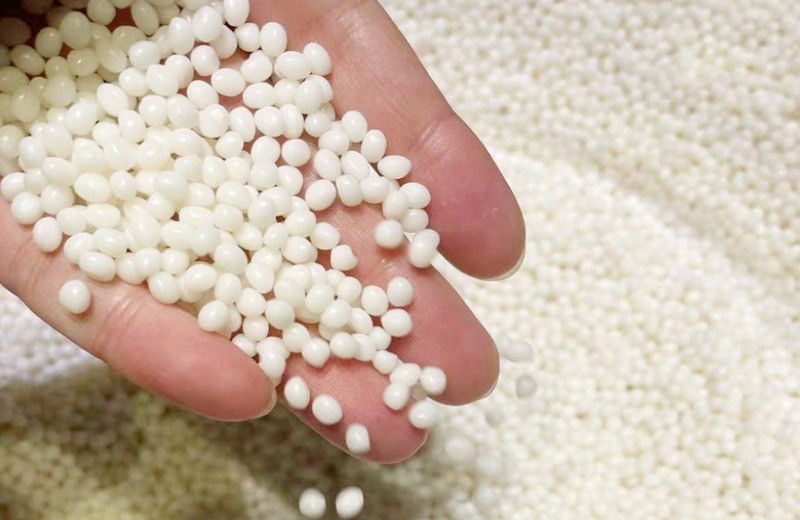
The manufacturing process begins with the selection and preparation of compostable resin. Unlike traditional polyethylene (PE) bags, compostable bags are typically produced using biodegradable polymers derived from renewable or bio-based sources.
Common materials include:
PLA (Polylactic Acid)
PLA is a bio-based polymer commonly produced from renewable resources such as corn starch or sugar-based feedstocks. It provides good transparency, high stiffness, and food-contact suitability in certain applications. However, PLA alone can be relatively brittle and has limited flexibility, which is why it is often blended with other compostable materials.
PBAT (Polybutylene Adipate Terephthalate)
PBAT is a biodegradable polyester known for its flexibility and toughness. It helps improve film softness, tear resistance, and stretchability. For applications such as compostable dog waste bags, food waste liners, and bin liners, PBAT is commonly used to provide the flexibility required during daily use.
Starch-Based Materials
Starch-based compounds can be incorporated into compostable formulations to improve material properties and reduce dependence on fossil-based polymers.
Material Formulation Depends on the Final Application
The exact compostable material formulation depends on the intended application and performance requirements. Different compostable bag applications require different combinations of flexibility, strength, moisture resistance, sealing performance, and printability.
| Application | Key Requirements |
|---|---|
| Compostable dog waste bags | Flexibility, leak resistance, easy tearing, soft touch |
| Compostable food waste liners | Moisture resistance, odor control, reliable sealing performance |
| Compostable bin liners | Strength, load capacity, tear resistance |
| Compostable shopping bags | Carrying strength, printability, handle durability |
| Compostable produce bags | Food contact suitability, transparency, moisture resistance, freshness protection |
| Compostable mailer bags | Tear resistance, puncture resistance, lightweight performance, printability |
| Compostable garment bags | Transparency, dust protection, neat appearance, sealing performance |
A reliable compostable bag manufacturer does not use one standard formulation for every product. Instead, materials and structures are adjusted according to the specific application, required performance, and target market requirements.
2. What Makes Compostable Bag Manufacturing Different from PE Bag Production?
At first glance, compostable bags and conventional PE plastic bags may look similar. Both can be produced as rolls, liners, shopping bags, or packaging bags. However, the manufacturing processes behind them are significantly different.
Compostable bag production requires different raw materials, processing conditions, quality controls, and technical knowledge compared with traditional polyethylene (PE) bag manufacturing.
Different Raw Materials Require Different Processing Knowledge
Traditional PE bags are mainly made from polyethylene resin, including LDPE, LLDPE, and HDPE. These materials have been widely used for decades and have relatively mature processing conditions.
Compostable bags typically use materials such as PLA, PBAT, and starch-based compounds. These polymers have different characteristics, including different melting temperatures, moisture sensitivity, stretching behavior, and film-forming performance. Therefore, manufacturers cannot simply replace PE resin with compostable resin and use exactly the same production parameters.
Film Extrusion Requires More Precise Process Control
PE film production is highly standardized due to decades of manufacturing experience. Compostable materials generally require more careful processing control. During extrusion, manufacturers need to manage temperature settings, screw speed, cooling conditions, film stretching ratio, and moisture levels. Incorrect processing parameters may result in brittle film, poor sealing performance, uneven thickness, or reduced mechanical strength.
Compostable Film Has Different Performance Considerations
PE and compostable films have different physical characteristics. Traditional PE bags are known for high flexibility, good moisture resistance, and strong mechanical performance. Compostable bags are designed to balance compostability requirements, strength, flexibility, and practical usability. A material formula suitable for one application may not perform well in another.
3. Compostable Resin Preparation and Blending
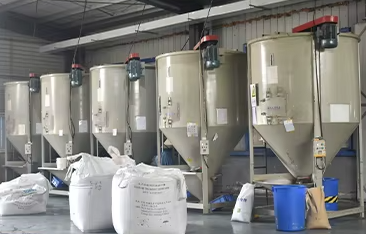
Before producing film, compostable resin pellets need to be properly prepared. During this stage, manufacturers may blend different compostable polymers, add approved additives when required, control moisture levels, and test material consistency.
Moisture control is particularly important because many compostable polymers are sensitive to humidity during processing. Poor material preparation can lead to uneven film quality, reduced mechanical strength, and production instability. Therefore, material handling is a critical part of consistent compostable bag manufacturing.
4. Film Extrusion: Turning Resin Pellets into Compostable Film
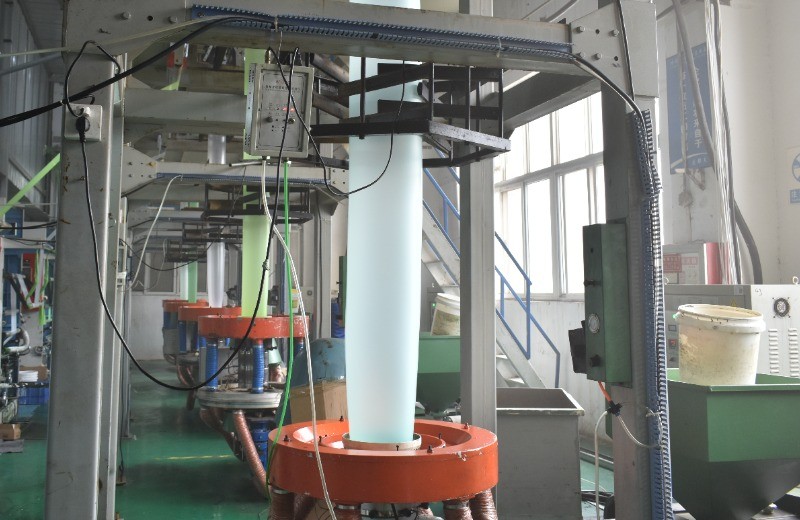
Film extrusion is one of the most important steps in compostable bag production. During extrusion, compostable resin pellets are fed into an extruder where heat and mechanical pressure melt the material. The melted polymer is pushed through a die, then the film is cooled and stretched before being rolled for further processing.
The extrusion process determines many important characteristics, including film thickness, transparency, strength, flexibility, and surface quality. Manufacturers need to carefully control processing temperatures because compostable polymers can behave differently from conventional PE materials.
5. Film Testing and Quality Control
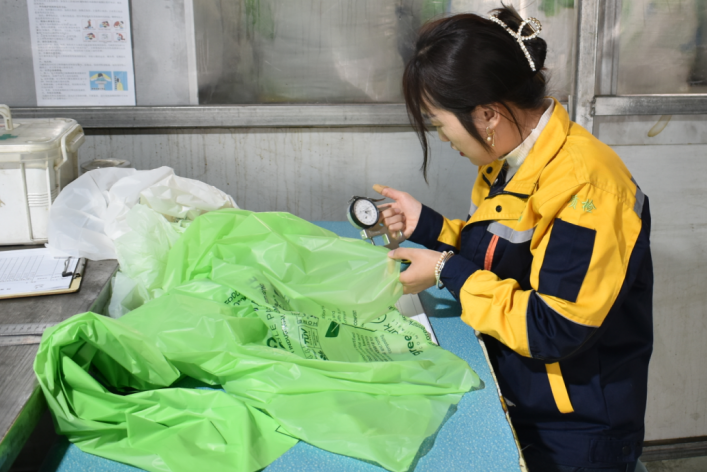
Before printing or bag conversion, compostable film is inspected to ensure it meets production requirements. Typical tests include:
- Thickness Testing:Ensures film thickness remains consistent throughout production.
- Tensile Strength Testing:Measures how much force the film can withstand before breaking.
- Elongation Testing:Evaluates how much the film can stretch before failure.
- Appearance Inspection:Checks film uniformity, surface defects, and color consistency.
Consistent film quality is essential for producing bags that perform reliably in real-world applications.
6. Printing Custom Designs on Compostable Bags
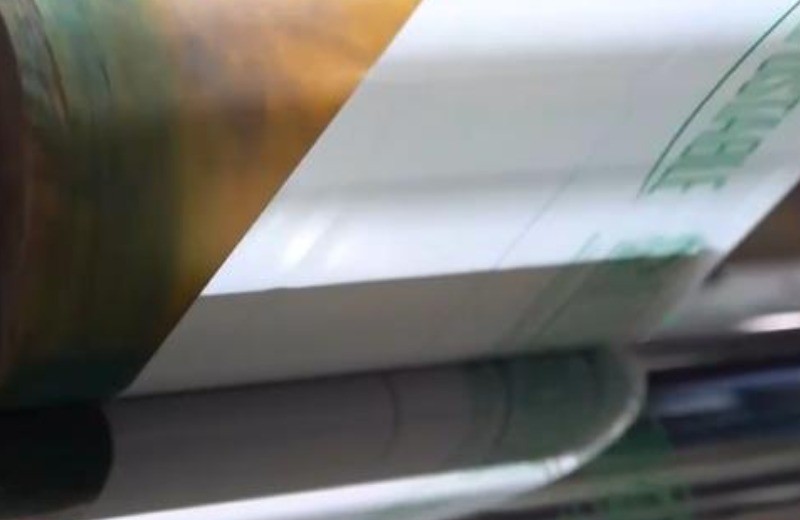
Many brands choose custom printed compostable bags for private label products. The printing process typically includes:
Artwork Preparation
The buyer provides logo, brand colors, product information, and required compliance markings. The artwork is adjusted for printing requirements.
Plate Preparation
For gravure printing, printing cylinders are prepared according to the approved design. The number of colors and complexity of artwork can influence production cost and minimum order quantities.
Printing Process
Manufacturers commonly use printing methods such as flexographic printing and gravure printing. For compostable packaging, buyers should confirm that inks and printing processes are suitable for the intended application.
7. Bag Conversion: From Film Rolls to Finished Bags
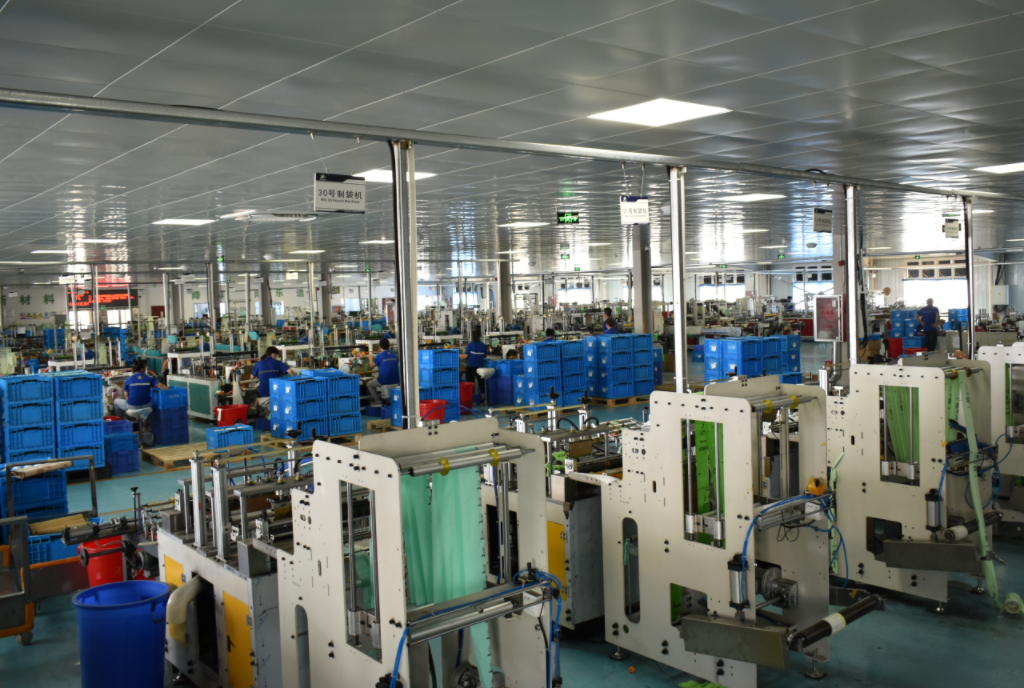
After extrusion and printing, compostable film is converted into finished bags. The conversion process may include:
- Cutting:The film is cut into specific bag sizes.
- Sealing:Heat sealing creates the bottom or side seals depending on bag design.
- Perforation and Roll Formation:For products such as compostable dog waste bags, food waste liners, and bin liners, bags are often perforated and rolled for convenient dispensing.
- Packaging:Finished bags are packed according to customer requirements, including retail packaging, bulk cartons, and private label packaging.
8. Compostability Testing and Certification
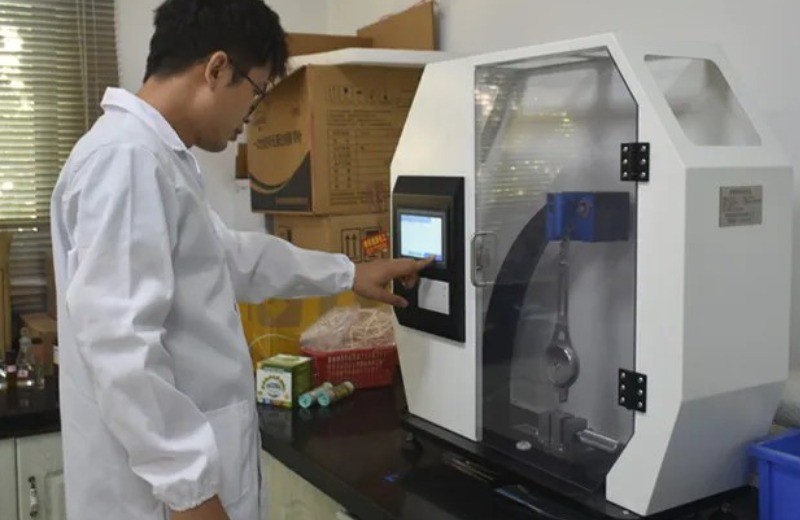
A compostable bag manufacturer should provide documentation supporting compostability claims. Common standards include:
- EN 13432:A European standard that evaluates industrial compostability of packaging products.
- ASTM D6400:A commonly referenced US standard for compostable plastics.
- AS 4736:A standard used in Australia for commercially compostable plastics.
It is important to understand that certification applies to specific products and formulations, not simply to a factory. Buyers should request certification documents for the actual bag product being purchased.
9. Packaging and Global Shipping
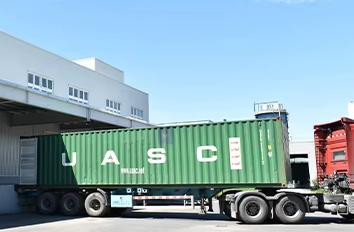
After production approval, compostable bags are prepared for shipment. Manufacturers typically consider moisture protection, carton strength, container loading efficiency, and export documentation. Because compostable materials can have different storage requirements compared with conventional plastics, proper packaging and transportation management are important.
What Should Buyers Look for in a Compostable Bag Manufacturer?
When evaluating suppliers, consider:
1. Manufacturing Capability
Does the company actually produce bags, or only trade finished products? Check production equipment, factory capabilities, and product range.
2. Material Knowledge
A capable manufacturer should understand PLA, PBAT, starch-based materials, and different application requirements.
3. Certification Support
Ask for finished product certifications, testing reports, and compliance documents.
4. Customization Ability
For private label projects, evaluate whether the supplier can support custom sizes, custom printing, packaging design, and different bag formats.
5. Quality Control System
A reliable supplier should have quality checks throughout production, not only inspect finished products.
Final Thoughts:Compostable bag manufacturing combines material science, film processing, printing technology, and quality control. For buyers, choosing a supplier is not only about finding a factory that can produce bags. It is about finding a manufacturing partner that understands materials, certifications, application requirements, and long-term supply consistency. Understanding the production process allows companies to ask better questions, evaluate suppliers more accurately, and build more reliable compostable packaging programs.
