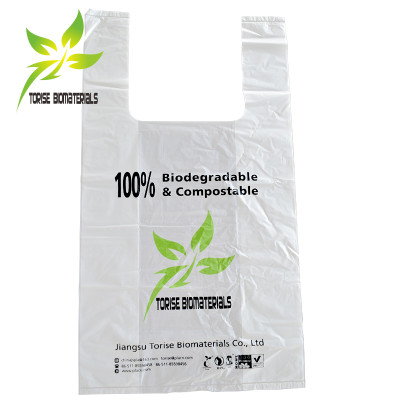
Can Compostable Bags Be Recycled? Compostable vs Recyclable Packaging Guide
A common misunderstanding is: “Compostable bags are still plastic-like, so why can't they be recycled?” The reason is material compatibility. Most compostable bags are made from materials such as: These materials behave differently from conventional plastics like PE or PP during recycling. If compostable bags enter traditional plastic recycling systems, they may: For recycling facilities, identifying different film materials can be difficult because many flexible packaging products look similar. Imagine a supermarket has two types of shopping bags: Material: Polyethylene (PE) End-of-life: ♻️ Plastic recycling system Processed into recycled plastic materials Material: PBAT + PLA blend End-of-life: 🌱 Commercial composting system Breaks down into compostable components Both bags can support sustainability goals, but they belong to different waste management systems. Not necessarily. This is another important point for businesses purchasing compostable packaging. The word “compostable” does not mean a product will disappear anywhere in nature. Different certifications represent different disposal conditions. Common certifications include: These products are designed for industrial composting facilities where controlled conditions accelerate decomposition. Some products may meet home composting standards, such as: These products are tested under lower-temperature home composting environments. However, not every compostable bag is suitable for backyard composting. There is no universal winner. The right choice depends on: Food Waste Applications Examples: Because food contamination often reduces the value of recyclable plastics, compostable solutions can work well when combined with organic waste collection systems. Single-Use Packaging With Difficult Recycling Examples: Applications where: Examples: For brands and distributors, sustainability is not only about choosing a “green material”. A successful packaging solution requires considering the entire lifecycle: Choose materials based on: For international markets, buyers should verify: Common standards include: Clear disposal instructions are essential. A compostable bag should not be marketed simply as: “Eco-friendly and disappears anywhere.” Better communication: “Certified compostable under industrial composting conditions.” This helps avoid greenwashing concerns and builds customer trust. The future of packaging is not about replacing every plastic product with one single solution. Instead, it is moving toward a more practical approach: Recyclable packaging supports material recovery. Compostable packaging supports biological recycling. Both have a role in a more sustainable packaging system. 1. Can compostable bags be recycled with plastic bags? No. Compostable bags should generally not be placed in conventional plastic recycling streams because they can interfere with recycling processes. 2. Are compostable bags biodegradable? Yes, compostable materials are designed to biodegrade under specific composting conditions. However, “biodegradable” and “compostable” are not identical terms. 3. Can compostable bags go into any compost bin? No. Some compostable bags require industrial composting facilities, while only certified home-compostable products are suitable for home composting. 4. Are compostable bags better than recyclable bags? It depends on the application. The best choice depends on product use, local infrastructure, and the intended disposal route. 5. What certifications should buyers look for? Common certifications include EN 13432, ASTM D6400, AS 4736, OK compost INDUSTRIAL, and OK compost HOME. For global brands, sustainability is not just about the material itself — it is about whether the packaging solution fits real-world supply chains and disposal systems. At Torise, we help brands develop customized compostable and sustainable packaging solutions, including: From material selection to certification requirements, we work with customers to create packaging solutions designed for their market needs. Contact our packaging team to discuss your sustainable packaging project.
A Simple Example: Two Bags, Two Destinations
The mistake is sending the wrong material into the wrong system.
Does Compostable Mean It Can Be Composted Anywhere?
Industrial Compostable
Home Compostable
What Should Brands Choose: Compostable or Recyclable Packaging?
Compostable Bags Are Often Suitable For:
Recyclable Packaging Is Often Suitable For:
What Does This Mean for Packaging Buyers?
1. Material Selection
2. Certification Requirements
3. Customer Communication
The Future of Sustainable Packaging: More Than Recycling
FAQ: Compostable Bags and Recycling
Choosing the Right Compostable Bags Manufacturer